
When my kids took their vacation last summer, we were camping in the remote mountains of Montana, and I realized I needed to dig a fire pit. Then I got slammed with a terrible problem. I had forgotten my shovel. At first, I panicked—how to dig a hole without a shovel through tough ground with nothing but my bare hands?
But then I got creative. I used a flat rock to break the surface, a sturdy stick to loosen the soil, and my hands to scoop it out. It wasn’t easy, but it worked. That experience taught me that with the right technique and a bit of resourcefulness, you can dig a hole without a shovel.
To dig a hole without a shovel, use tools like a trowel, a pick, or even a hard stick. Your hands can also work for smaller excavations.
Digging a hole without a shovel may seem challenging, but it’s entirely possible with some creativity and resourcefulness. Whether you’re dealing with a broken shovel or find yourself in need of a hole while out in the wild, alternatives are within reach.
Garden trowels, hoes, and picks make excellent substitutes, offering precision and control for small to medium projects. For light-duty digging, even robust sticks or your hands are surprisingly effective. These methods require more time and effort but can get the job done. Make sure you have clear objectives and a safe digging plan to turn this seemingly unsettling task into an achievable goal, keeping your outdoor projects or emergencies manageable.
Challenges Of Digging Without Traditional Tools

Challenges of Digging Without Traditional Tools present themselves in numerous ways. Traditional shovels offer leverage, precision, and ease. Without them, the task requires more creativity. It becomes a test of resourcefulness. Yet, in certain situations, understanding this can be crucial. Perhaps the shovel broke. Or maybe the adventure sprang up spontaneously in the middle of a hike. Whatever the reason, digging a hole remains possible, though with some unique hurdles.
Unconventional Methods
Unconventional methods step into the spotlight when typical tools are absent. You want to dig a hole but you don’t want to infect your hand by some fungal infections. Let’s explore inventive digging options:
- Hands and Fingers: Useful for shallow excavations in soft soil.
- Sticks: Can pry out stones and create leverage like a shovel.
- Flat Rocks: Serve as scoops to move dirt.
- Repurposed Items: Old cans or containers act as makeshift scoops.
- Animal Bones: Might be employed as tools in a survival situation.
Safety Considerations
Safety considerations should be the top priority, even more so without proper equipment. Here are the necessary precautions:
- Hand protection: Use gloves or wrap hands to prevent blisters and cuts.
- Rigidity: Choose sturdy objects to avoid breaks, which can cause injury.
- Know the ground: Beware of buried utilities or hazards.
- Tetanus vaccination: Up-to-date vaccinations protect against infections from soil bacteria.
- Animal life: Be cautious of disturbing wildlife habitats.
Using Household Items As Improvised Digging Tools
Digging a hole can seem impossible without a shovel. But many household items can save the day. Here’s how to turn everyday objects into improvised digging tools.
Spoons And Forks
Spoons and forks aren’t just for eating. These kitchen staples are also miniature shovels in disguise. Use the spoon’s bowl to scoop soil, just like a mini spade. For tougher ground, a fork can help loosen it, making the digging easier.
- Choose sturdy metal utensils to avoid breakage.
- Use the edge of the spoon to carve out the dirt.
- Use the fork to break up clumps and aerate the soil.
Kitchen Implements
Kitchen gadgets come in handy beyond food prep. A ladle or a large serving spoon can shovel out dirt effectively. Even a rolling pin can act as a soil tamper to flatten or compact soil at the bottom of your hole.
- Employ a ladle for scooping larger amounts of soil.
- Press down with a rolling pin to create a flat base.
Repurposing Gardening Tools
If you have a garden, you might have tools that can double as digging aids. A handheld cultivator or a stiff rake can break up soil, while a watering can help to soften hard earth.
These tools increase efficiency:
- Hand Cultivator: Loosens the soil
- Stiff Rake: Clears debris
- Watering: Can Softens Soil
Remember to clean and dry your tools after use to prevent rust.
Natural Elements At Your Disposal
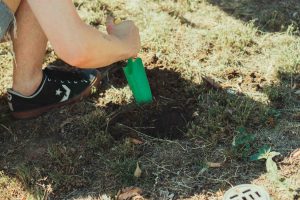
Sometimes, you need a hole but lack a shovel. Nature offers tools for this task. Use what’s around you to dig effectively.
Hand Digging Techniques
Digging by hand might seem tough, but with skill, it’s doable. Remember to protect your hands with gloves or wrap them in cloth.
- Clear the area: Remove surface debris and clear a workspace.
- Loosen soil: Use your fingers to break up the top layers.
- Scoop away: Cup hands together to remove loose soil.
- Create leverage: Push against firmer soil with your palms to move more earth.
- Keep depth even: Work slowly to maintain a consistent shape and depth.
Leveraging Rocks And Sticks
Sticks and rocks can act like primitive tools. People used to dig holes with them before the invention of shovels. They can break up soil and help remove dirt.
Element | Use |
Sticks | Stab into ground to loosen |
Flat rocks | Scrape away layers |
Sharp rocks | Carve out soil chunks |
heavy rocks | Use to smash hard clumps |
Start by picking a stick that won’t break easily. A pointed end digs better. Look for rocks with a sharp edge to cut into the ground, or flat ones to scoop with.
Softening The Ground Before Digging

The trick lies in softening the ground first, which makes the task easier and less time-consuming. This section will teach you effective methods to soften the ground without using a shovel.
Water Saturation
Water is a powerful softening agent for hard soil. Follow these steps to saturate the ground effectively:
- Collect water in a bucket or watering can.
- Pour it over the area where you plan to dig.
- Let it soak for a few moments.
- Test the soil with a stick to check softness.
Remember, the amount of time needed for saturation can vary based on soil type. Clay soils may take longer to soften than sandy ones.
Organic Decomposition
Organic materials help break down hard soil. Use this natural method:
- Collect organic waste, like kitchen scraps or leaves.
- Cover the soil with these materials.
- Wait for decomposition to naturally soften the ground.
This method is not only effective but also eco-friendly. It improves soil health while making your digging job easier. But the only problem is that it may take several weeks, depending on the materials used.
Digging In Different Types Of Terrain

Different types of soil require unique approaches. So, how to dig a hole without a shovel in tough, hard ground? Let’s find out how to tackle sandy environments, clay and hard soil, and areas filled with roots – all without the trusty shovel.
Sandy Environments
Digging in sand is tricky; it shifts and collapses. Use hands or a flat piece of wood to scoop. Wet the sand to keep the hole’s structure. In sand, trenches work better than deep holes.
- Dampen the sand to make it more stable.
- Scoop with hands or flat objects to move sand easily.
- Create trenches rather than deep holes to prevent collapse.
Clay And Hard Soil
Hard-packed surfaces like clay need patience. Find a pointed stick or metal rod to loosen the ground. Twist and push it into the soil to break it up.
- Locate a sturdy stick or rod for leverage.
- Twist and push the tool to fragment the soil.
- Gather broken-up soil by hand or improvised scoops.
Root-filled Areas
Roots are challenging. Small roots can be snapped with strong tools like rocks. For bigger roots, find gaps to dig around them. Minimal disturbance is key.
Root size | Tools | Method |
Small | Rock/Sharp Object | Apply force to snap |
Large | Hands/Rod | Dig around the obstruction |
Creating Mechanical Advantage
Creating a mechanical advantage is your secret weapon in such situations. This technique boosts your digging power with simple tools or strategies. It’s all about working smarter, not harder!
Leverage-based Methods
Leverage turns small movements into big actions. Picture a seesaw in a playground. You apply a small force on one end, and the other lifts high up. This same idea can help you dig a hole. With leverage, you can move the earth effortlessly. Here’s how:
- Find a sturdy branch or a long piece of wood. This acts as your lever.
- Select a fulcrum, such as a rock or chunk of wood. This supports the lever.
- Position the fulcrum near the digging spot. Put one end of the lever under a chunk of soil.
- Press down on the other end of the lever. Watch as the soil lifts like magic!
Pulley Systems
A pulley system can be your best friend for lifting heavy loads of dirt from the hole. Imagine a wheel with a rope looped around it. As you pull on one side, the load on the other side rises. Check out these simple steps to set up a basic pulley:
- Gather a wheel or something round like a spool. Get a strong rope as well.
- Attach the wheel securely above the hole. A tree branch could work.
- Loop the rope over the wheel. Tie one end to a bucket or container.
- Fill the container with soil, then pull on the rope’s free end. The soil lifts out effortlessly!
Finishing And Refining The Hole
Once you’ve dug a hole without a shovel, the final touches become essential. This phase makes sure the hole meets its intended purpose perfectly. Patience and a keen eye for detail turn a rough excavation into a refined space. Below are methods to polish your hard work.
Smoothing Edges
To avoid crumbly sides, smoothing edges is vital. Use a flat stone or a piece of wood to scrape along the hole’s perimeter. This creates a cleaner, more professional look. Give a gentle touch to avoid collapsing the edges you’ve worked hard to build.
Removing Debris
Debris removal can be meticulous but necessary for a clean outcome. Extract roots, rocks, and loose soil. Here’s how to do it:
- Pick larger items out by hand.
- For smaller debris, scoop with a makeshift sieve like a bent wire mesh.
- Shake over the hole to let fine soil fall back in, removing only unwanted material.
Final Depth And Shape Adjustments
Check the hole’s depth now. Use a stick or your arm to measure. If the structure is uneven, here’s the fix:
- Mark the desired level all around with a stick.
- Remove excess soil to match the mark.
- For shape precision, outline the area with stones or sticks before final adjustments.
Take regular breaks to review your work from a distance. This helps spot any irregularities that need correction.
Frequently Asked Questions For How To Dig A Hole Without A Shovel
How Do You Dig Deep Holes By Hand?
Start with a post-hole digger for narrow, deep holes. For wider excavations, use a shovel to remove layers of soil. Brace the sides to prevent collapse. Take frequent breaks to avoid fatigue. Always wear protective gear to guarantee safety.
What Is The Easiest Way To Dig A Hole In The Ground?
The easiest way to dig a hole is by using a post-hole digger or shovel, depending on the soil’s toughness and moisture level.
What Is The Easiest Way To Dig A Hole For A Post?
The easiest way to dig a hole for a post is to use a manual post hole digger. This tool allows for precise digging with minimal effort.
Is It Easier To Dig Wet Or Dry Dirt?
Digging in wet dirt is easier than in dry dirt since moisture softens the soil, making it more pliable and easier to move.
Can You Dig A Hole Without A Shovel?
Yes, you can use tools like a hoe, auger, or even a stick to dig a hole if a shovel isn’t available.
What Are Shovel Alternatives For Digging?
Common alternatives include garden forks, trowels, picks, mattocks, and even repurposed items like spoons or old pipes.
How Do You Excavate Soil Manually?
To excavate soil manually, use hand tools like hoes or trowels and employ techniques like loosening soil in layers and removing debris.
Conclusion
Digging a hole without a shovel is more than possible; it’s been shown! We’ve explored alternatives that are both creative and practical. Whether you use a trowel, stick, or your hands, each method has its place and effectiveness. Do not forget to clean and store your digging tools after shoveling. For your next project requiring a hole, remember these tips. Enthusiasm and ingenuity can often replace traditional tools. Happy digging!


