
Last week, I stood in my backyard staring at the messy border where my grass met the flower bed. The lawn had crept into my carefully planted tulips, and the edge looked like a jagged, overgrown mess. My neighbor, Mr. Jackson, had mentioned using a fancy electric edger, but I only had my trusty shovel and a Saturday morning to spare. I researched on the internet about how to edge a lawn with a shovel. Unfortunately, I didn’t find any useful guidelines.
Then I asked myself, “How hard could it be?” Turns out, my first attempt looked more like a jagged trench than a polished border. But after a few tries (and a sore back), I learned the right technique.
If you’re looking to edge your lawn the old-school way, here’s how to do it without repeating my mistakes.
To edge a lawn with a shovel, first remove any grass and dig a trench following your garden’s outline. Make sure the shovel blade enters the soil vertically for a neat edge.
A beautifully edged lawn creates a visually appealing boundary between the garden and the surrounding landscape. Edging a lawn defines garden beds, enhances curb appeal, and prevents grass from invading garden paths or flowerbeds. While landscaping tools exist specifically for this task, a simple shovel can achieve professional-looking edges with a technique that combines precision and physical effort.
This task requires some physical strength, a steady hand, and a keen eye for straight or curvaceous artistic lines. By maintaining a clean edge, you protect the integrity of your garden design while making maintenance far easier over time. So grab your shovel, roll up your sleeves, and let’s transform your lawn’s edges into crisp lines that make your yard the envy of the neighborhood.
Tools And Preparation For Edging
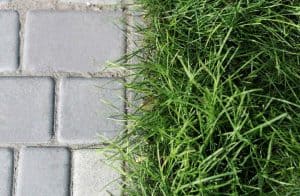
Preparing to edge a lawn is like getting ready for a masterpiece. Sharp lines and clean borders turn grass into a living artwork. But before the edging begins, gather the right tools.
Selecting The Right Shovel
You might dig a hole without a shovel, but you need a good, flat, sharp shovel to edge your lawn. Look for one labeled as a spade or edger. A half-moon edger also works well. The key is a straight, sharp blade to cut through sod with precision. Test the shovel’s weight and grip—it should feel comfortable in your hands.
Gathering Additional Tools
Other tools will assist in achieving immaculate edges. Here’s a list:
- Shovel: Cute precise sod lines.
- Garden Gloves: Protect your hands and improve grip.
- Knee Pads: Save your knees from wear.
- Wheelbarrow: Haul away sod and soil.
- Lawn Shears: Snip stray grass blades for a tidy finish.
Marking Your Territory
Embarking on the journey to a perfectly edged lawn starts with a well-defined plan. Marking your territory is an essential first step to achieving crisp, clean borders. This guide lays out the path to designing and creating clear guidelines for edging with a shovel, ensuring your lawn impresses with its manicured look.
Designing The Edge
Edging your lawn is not like shoveling your driveway. You need a good outline to give a good shape to your garden. First, picture the edge design you desire. Do you see smooth curves or straight lines? Boldly define your vision to seamlessly blend with your garden’s aesthetics. Grab your shovel, and let’s turn that vision into reality.
- Observe your lawn’s overall layout.
- Choose between curved edges and sharp lines.
- Consider the lawn’s function and foot traffic.
Draw your design on paper or use a garden hose for curved edges. For straight lines, stakes, and string work best. Your dream edge starts with a solid plan!
Creating Guidelines
Now, let’s transfer your design to the ground. Creating physical guidelines will make the edging process precise. These steps will help you achieve perfection:
Step | Action | Tip |
1 | Place stakes at the start and end of your edge. | Make sure they are firmly in the ground. |
2 | Connect stakes with a taut string. | Use a bright string for visibility. |
3 | For curves, lay down a garden hose. | Adjust until it matches your design. |
4 | Mark the lawn using landscaping paint. | Choose a visible color. |
With your guidelines in place, you’re ready to edge your lawn with precision. Your shovel becomes an artist’s brush, carving out the perfect border to illustrate your garden’s beauty.
Executing The Perfect Edge

Mastering the art of lawn edging transforms a yard from untidy to polished. The key to a visually striking boundary lies in the precision of the shovel work. Follow these steps for a flawless edge every time.
The Initial Cut
First impressions matter. Begin with a sharp, clean shovel for the initial cut. Position its blade where the lawn meets the garden bed or walkway. Aim the shovel at a 90-degree angle to the ground. With a firm, vertical push, drive the shovel into the turf to create a neat trench line. Repeat this process along the entire edge of the area being defined, ensuring each cut is seamless with the next.
Achieving Uniformity And Depth
To confirm consistency, a uniform structure across the lawn’s edge is essential. The trench should be deep enough to create a distinct barrier but not so deep that it disrupts the root system. Aim for an edge of approximately 2 to 3 inches deep. Use a cutting guide or stick placed periodically along the edge as a reference point.
- Mark your line using string or landscape paint before you start cutting.
- Check for cables or pipes that may be hidden underground before you begin.
- Remove clumps of turf as you go to keep a clear view of your working line.
- Use a half-moon edger for neat curves or around tree bases.
Maintaining The Edge
Maintaining the edge of your lawn means continuous care and attention. Sharp lawn edges create a clean look and define the border between your grass and garden beds or pathways. This section shows you how to keep your edged lawn pristine all year round.
Regular Trim And Clean-up
Regular maintenance is the key to a well-defined lawn edge. Trim the grass edges every time you mow your lawn to keep them neat. Pay special attention to remove any stray grass blades that escape the main cutting. Here’s your quick checklist for a tidy edge:
- Inspect edges for uneven growth weekly.
- Snip overhanging grass to align with the edge.
- Use a straight-edged shovel for minor adjustments.
- Clear debris and clippings to maintain visibility of the edge.
Dealing With Overgrowth
Sometimes, edges can become overgrown, which requires more than just a simple trim. Follow these steps to tackle any overgrowth and reclaim your lawn’s crisp lines:
- Identify the edge of your lawn.
- Use a sharp shovel to cut into the overgrowth.
- Remove excess turf and re-establish a clear boundary.
- Discard the overgrowth in a compost or yard waste bin.
Remember to sharpen your shovel before tackling the overgrowth to guarantee a clean cut.
Finishing Touches

Once you’ve neatly edged your lawn, the final touches can make all the difference. They help your edging work stand out and keep your lawn looking sharp.
Mulching And Bedding
Mulching protects and nourishes your garden beds. It also keeps weeds at bay. Follow these simple steps:
- Choose organic mulch such as wood chips or straw.
- Apply a 2 to 4-inch layer around plants.
- Avoid mulch touching plant stems to prevent rot.
Bedding creates a neat barrier between the lawn and the garden. Use materials like:
- Stone edging
- Decorative bricks
- Rubber edging strips
These materials enhance your lawn’s look and keep mulch in place.
Aesthetic Enhancements
Give your lawn a personal touch with these improvements:
- Add colorful plants near the edges.
- Place decorative stones or pebbles.
- Install solar-powered lights for nighttime beauty.
Regular maintenance keeps edges crisp and clean. Trim the edges every few weeks to maintain the freshly manicured appearance. Do not forget to store your shovels and other tools to use perfectly next time.
Frequently Asked Questions For How To Edge A Lawn With A Shovel
Can You Edge Grass With A Shovel?
Yes, you can use a shovel to edge grass. A flat, sharp shovel is best to create a clean line along lawn borders.
How Can I Edge My Lawn Without An Edger?
To edge your lawn without an edger, use a sharp spade to create a defined line, then remove excess grass. Regular maintenance with garden shears can keep edges neat.
What Is The Easiest Tool To Edge A Lawn With?
The easiest tool for edging a lawn is a manual edger or a power edger. These tools offer precise control and efficient edging for any lawn size.
How Do You Edge Landscaping With A Shovel?
To edge landscaping with a shovel, first, outline your desired edge with spray paint or a garden hose. Push the shovel blade straight down into the soil along the outline, creating a trench. Angle the shovel to undercut the edge for a clean line, and remove excess soil.
What Tools Are Needed For Lawn Edging?
To edge a lawn, you’ll primarily need a sharp, flat-bladed shovel, garden gloves, and possibly a half-moon edger for cleaner lines.
How Do I Start Edging My Lawn?
Begin by marking the desired edge line with string or spray paint, then push the shovel blade straight down into the soil along this line.
What’s The Correct Technique For Edging?
Place the shovel’s blade straight down along the lawn edge and rock it slightly to slice through the grass, maintaining a consistent angle.
Conclusion
Edging your lawn with a shovel is simpler than you may think. It boosts curb appeal and defines garden boundaries. So, how to edge a lawn with a shovel? Just remember the key steps: map out the edge, use a sharp shovel, and maintain a consistent angle. With practice, your lawn will have that professional touch.
Happy edging!


