
To dig a hole quickly with a shovel, use a sharp, pointed blade and employ the step-down method for efficient soil penetration. Maintain a steady rhythm and remove soil with swift scoops.
Last summer, I told my daughter I’d build her a cool vegetable garden as a surprise. But I only had one Saturday to do it! I thought I’d spend the whole day just trying to dig in the dirt. Luckily, I remembered some secret moves for digging, which I learned from my grandpa when I was a kid. Instead of taking forever, I finished digging and even started planting before lunch! So, if you need to plant a tree, bury something, or just dig a hole quickly, let me show you how to dig a hole fast with a shovel without getting super tired!
Digging a hole might seem straightforward, but doing it efficiently saves time and effort. Whether you’re planting a tree, installing a fence post, or creating a garden bed, proper technique is crucial. A sharp shovel slices through earth much faster than a dull one, so sharpening your tool before starting is a smart move.
The step-down method—using your foot to drive the shovel blade into the ground—offers deeper penetration with less strain on your arms. By keeping your movements quick and consistent, you’ll maintain momentum, making the task easier and quicker. A perfect hole starts with the right strategy, and these tips confirm that you’re not just digging, but digging smartly.
Choosing The Right Shovel
Starting a project with the wrong tools can lead to frustration and wasted time. That’s why choosing the right shovel for digging a hole quickly is crucial. The ideal shovel will slice through the dirt easily, move it efficiently, and reduce the strain on your body.
Evaluating Shovel Types
Not all shovels are the same. Selecting the one that suits your task is essential. Here are the most common types:
- Round Point Shovel: Ideal for breaking up soil.
- Square Point Shovel: Best for moving loose material.
- Trench Shovel: Narrow blade for digging trenches.
You should also consider the shovel’s blade material. Steel blades are tough and durable. Aluminum blades are lighter, reducing fatigue.
Ergonomic Handles For Efficiency
The handle of a shovel affects your digging speed and comfort. Look for an ergonomic design that lessens the strain. An S-shaped handle helps reduce back pain.
Handle Type | Benefits |
Straight | Good for pushing and scooping |
D-Handle | Better grip and leverage |
S-Handle | Ergonomic for digging efficiency |
A fiberglass handle provides strength and reduces fatigue. Wooden handles offer a classic feel and flexibility.
Preparing To Dig

Starting a digging project comes with its own set of challenges. Quick and efficient digging requires more than just hard work. Prepare the site correctly, and you’ll be creating holes faster than ever. So, what are the essentials of proper site preparation?
Selecting The Site
Choosing the right location is a key first step. The site must be safe for digging. Check for any underground utilities or obstructions before starting. Assess the soil type; sandy or loamy soils are easier to dig compared to clay.
Considerations for Site Selection:
- Utility lines: Call a professional to mark them.
- Soil condition: Dry soil is easier than wet soil.
- Accessibility: Make sure there is enough space for work.
Marking The Area
Once the ideal site is selected, mark the boundaries. Use brightly colored spray paint or flags to outline the digging area. This step confirms precision and prevents any unnecessary digging.
Steps to Mark the Area:
- Measure the dimensions of the hole.
- Place a flag or stake at each corner.
- Connect the markers with a string or paint.
Digging Techniques

Mastering efficient digging techniques saves time and energy. The right strategy turns a daunting task into a smooth process. Whether planting a tree, setting a fence post, or creating a garden bed, understanding the art of digging with a shovel is essential. Here’s how to make every scoop count and dig a hole fast.
The Proper Stance
Begin with your feet shoulder-width apart to maintain balance. Position one foot slightly forward. This distributes your weight evenly, allowing for stability and power in your dig. Keep your back straight, bend at the knees, and grip the shovel handle with both hands.
Maximizing Each Scoop
- Sharpen the shovel’s edge for easier soil penetration.
- Angle the shovel slightly for maximum soil capture.
- Use your foot to push the shovel blade into the ground.
- Twist the shovel handle on entry for a cleaner cut.
- Apply leverage by pressing down on the handle to lift the soil.
Layered Digging Approach
Do not attempt to dig too deep, too fast. Work in layers to maintain efficiency.
- Mark the hole perimeter first.
- Remove the top layer of sod or grass.
- Proceed with shallow scoops to reduce strain.
- Continue deeper with consistent, measured strokes.
Safety Considerations
Digging a hole quickly with a shovel involves more than just hard work and the right technique. Safety always comes first. Proper precautions make sure that you complete the task without injury or damage. Let’s focus on recognizing utility lines and using personal protective equipment.
Recognizing Utility Lines
Before you dig, knowing what’s beneath the surface is critical. Striking a utility line can be dangerous and costly. Here’s how to stay safe:
- Call 811 before you dig. This is the national call-before-you-dig number.
- Await the utility companies. They will mark the location of underground lines.
- Use the markings as a guide. Avoid these areas to prevent accidents.
Personal Protective Equipment
Safety gear is a must while digging. The right equipment protects your body. Use the following for optimal safety:
Equipment | Use |
Gloves | Protect hands from blisters and cuts |
Boots | Prevent foot injuries and provide stability |
Eye Protection | Guard against flying debris |
Ear Protection | Use if operating loud equipment |
Remember to wear tight-fitting clothes that won’t snag. A hard hat is also wise in case of falling objects.
Post-digging Activities
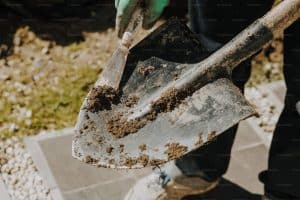
Once the digging part is over, it’s time for post-digging activities. These steps make sure the job finishes well.
Cleaning up and caring for your tools guarantees they last longer. Now, let’s deal with excess soil and properly maintain your shovel.
Disposing Of Soil
Moving the excess soil correctly is important. Here’s what to do:
- Reuse: Fill low spots in the yard.
- Recycle: Add to compost for a garden boost.
- Donate: Offer to neighbors or community gardens.
- Dispose: Check with local regulations for disposal sites.
Shovel Maintenance
Keep your shovel in top shape with these tips:
- Clean: Remove soil and rinse with water.
- Dry: Wipe the shovel to prevent rust.
- Sharpen: Use a metal file on the edge.
- Oil: Coat metal parts to stop rust.
- Store: Hang in a dry place.
Frequently Asked Questions on How To Dig A Hole Fast With A Shovel
What Is The Fastest Way To Dig A Hole?
The fastest way to dig a hole is by using a powered auger or an excavator, which are efficient for large and small-scale projects, respectively. But if your question is how to dig a hole fast with a shovel then the answer is using a sharp, quality shovel, maintaining proper posture, and applying the right digging technique to cut through soil efficiently. Always consider soil type for optimal equipment choice.
How Do You Make Digging With A Shovel Easier?
To make digging with a shovel easier, sharpen the blade, use a shovel with a comfortable grip, and leverage your weight by stepping on the shovel edge. Dig after it rains when the soil is softer, and pace yourself to avoid muscle fatigue.
How Long Does It Take to Dig A 6ft Hole With A Shovel?
Digging a 6ft hole with a shovel typically takes 2-6 hours, depending on the soil condition, the digger’s skill, and the pace of work.
Is It Easier To Dig Wet Or Dry Dirt?
Digging wet dirt is generally easier than dry dirt because moisture makes the soil less compact and easier to penetrate with tools.
Can You Dig A Hole Without Machinery?
Yes, you can dig a hole without machinery by using hand tools like a shovel and implementing effective digging strategies to save time and effort.
What Shovel Type Is Best For Digging Fast?
A round-point shovel with a sturdy handle and a sharp edge is the best type for quick and efficient digging.
Conclusion
Since the invention of shovel, humankind used it for different purpose. The most used job for a shovel was digging. Digging a hole quickly relies on technique, precision, and the right tool. By following the steps outlined, anyone can master this simple yet important task. Remember to choose the right shovel, maintain proper posture, and employ the pivot method for efficiency.
The next time you face the earth, you’ll tackle the job with confidence and speed. Now, go make that hole—with haste!


