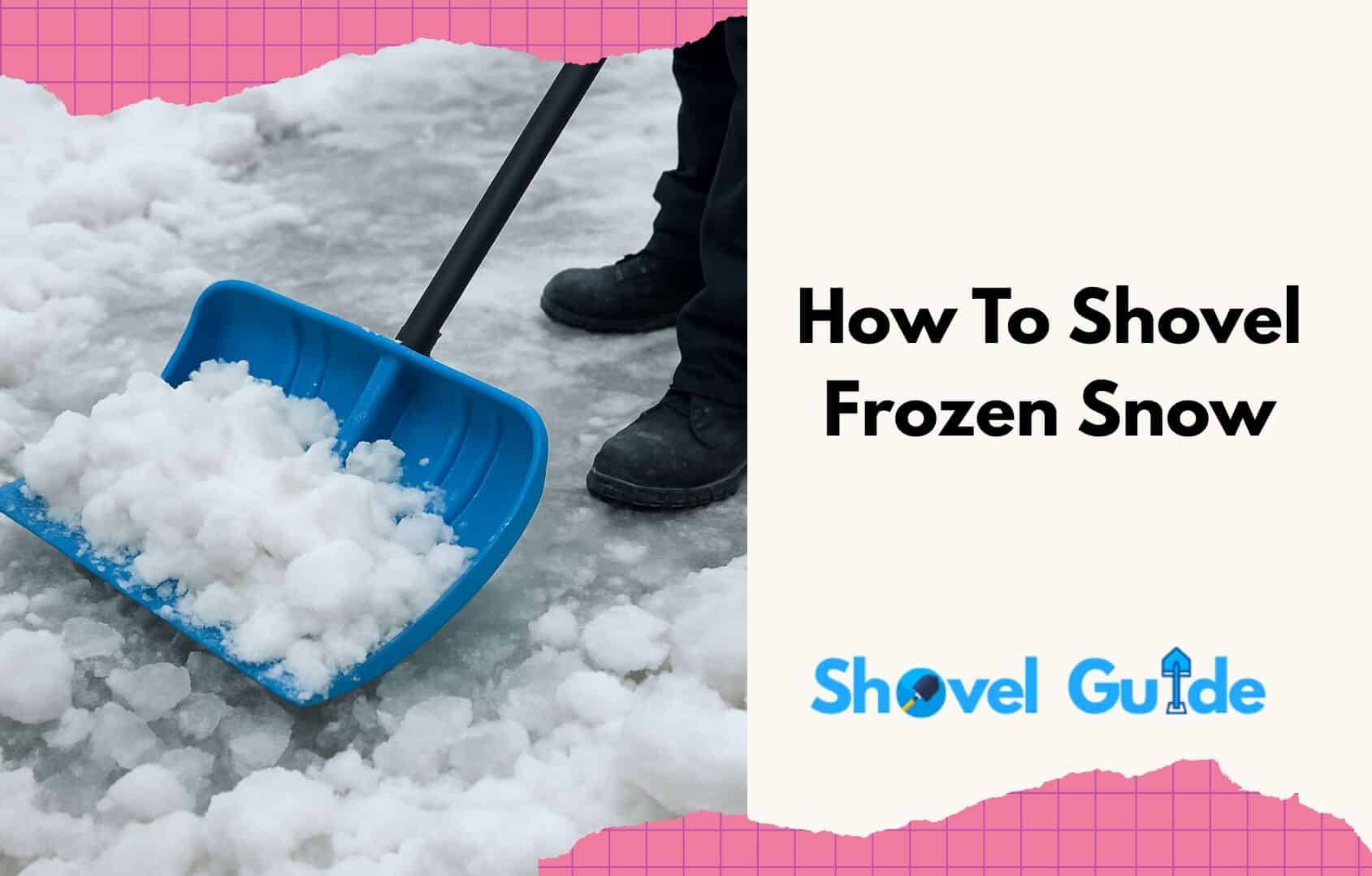
Eight years ago, (when I was a complete newbie), on a morning in February, I woke up to what looked like a winter wonderland—until I stepped outside to clear my driveway. The snow that had fallen soft and fluffy the night before had transformed into a concrete-hard sheet of ice overnight.
My usual shoveling technique of pushing and lifting became completely useless. Each scrape of the shovel against the frozen surface sent jarring vibrations up my arms, and I barely managed to chip away tiny chunks after twenty minutes of futile effort.
That morning taught me the hard way that frozen snow requires a completely different approach than fresh powder. What should have been a routine fifteen-minute task turned into an hour-long battle that left me exhausted and my driveway only half-cleared. I realized I needed to learn the proper techniques about how to shovel frozen snow. Because I was dealing with one of nature’s trickiest winter challenges ever.
To shovel frozen snow effectively, use a sturdy, metal shovel and break up ice layers first. Apply rock salt beforehand to soften the snow.
Clearing frozen snow can seem like a daunting task, but with the right approach, it can be managed efficiently. A solid strategy is crucial for anyone facing the challenge of shoveling snow that has turned to ice. Selecting the appropriate tools, such as a durable, metal shovel, and utilizing ice-melting compounds like rock salt, can make the job significantly easier.
Pre-treating areas with salt can prevent the snow from freezing hard, making it simpler to remove. This guide offers essential tips for tackling frozen snow, minimizing physical strain, and maximizing safety. With the right technique, the stress of dealing with icy conditions can be greatly reduced.
The Challenge Of Frozen Snow
Shoveling frozen snow is a daunting task. Thick, icy layers cling stubbornly to driveways and sidewalks, resisting the efforts of even the most determined snow clearer.
Physical Toll On The Body
Lifting heavy snow can strain muscles and joints. Take breaks often to prevent exhaustion. Warm-up exercises may help.
- Back pain – Bending and twisting can cause injury.
- Heart strain – Intense activity increases the heart rate.
- Muscle fatigue – Overwork leads to soreness or injury.
Risks Of Improper Technique
Using the wrong technique can lead to injuries or ineffectiveness. Stand with your feet hip-width apart. Keep the shovel close to your body.
- Bend at the knees, not the waist.
- Use your leg muscles to lift the snow.
- Avoid twisting your torso; instead, pivot your whole body.
Pre-shoveling Preparations
Preparing to shovel frozen snow requires a strategic approach. It’s not just about brute strength; taking the right steps before you begin can make the task safer and easier.
Choosing The Right Tools
The shovel you choose is your primary weapon against the wintry mix. Opt for a shovel with a serrated edge to break through ice. A sturdy handle ensures you don’t strain your back.
Consider materials as well:
- Plastic blades are lightweight but may not last as long.
- Metal blades can handle more weight and last longer.
Look for shovels with an ergonomic design to reduce bending.
Warming Up And Dressing Appropriately

Starting cold can lead to injury. Warm up your muscles with simple exercises like squats or a brisk walk. Dress in layers to manage body heat and stay dry.
Layer | Material | Purpose |
Base | Moisture-wicking fabric | Keeps skin dry |
Insulation | Fleece or wool | Traps heat |
Outer | Waterproof and breathable | Protects from elements |
Don’t forget gloves for warmth, boots with traction for safety, and a hat to retain body heat.
Effective Shoveling Techniques
Winter brings snow, and with it, the task of clearing sidewalks and driveways. Removing frozen snow efficiently is crucial to avoid strain and injury. Adopting effective shoveling techniques makes this chilly chore easier and faster. Let’s break down the strategies and mechanics of how to shovel frozen snow with perfection.
Strategic Snow Clearing Patterns
Start with a plan to tackle the snow-covered area wisely. Snow shoveling isn’t just about brute force. It is a game of strategy.
- Begin from the middle: Clear a path down the center to reduce the amount of snow you move laterally.
- Push, don’t lift: Whenever possible, push the snow to the side instead of lifting it to save energy and reduce back strain.
- Section your area: Divide the space into sections and clear one at a time for better control and less fatigue.
- Alternate patterns: Avoid repetitive motion by changing your shoveling pattern often to distribute the strain evenly across muscles.
Leverage And Lifting Mechanics
Proper technique is everything when it comes to the physical act of shoveling. It can mean the difference between a sore back and a job well done.
- Stand with feet hip-width apart for a stable base.
- Use your leg muscles to lift the snow, keeping your back straight.
- Hold the shovel handle close to your body to improve leverage.
- Bend at the knees and use the leg squat to lift heavier loads.
- Avoid twisting your torso while moving snow to prevent back injuries.
- Keep loads light and take frequent breaks to avoid overexertion.
Safety First: Minimizing Hazards
When wintertime blankets the neighborhood with frozen snow, clearing it becomes a necessary chore. Staying safe is vital. Before grabbing a shovel and getting to work, understand the importance of safety to minimize risks and prevent injuries.
Pacing Yourself
Shoveling snow is a workout. Just like hitting the gym, pacing is key to avoiding accidents. Try these steps:
- Start slowly to warm up your muscles.
- Take frequent breaks, especially during heavy snowfall.
- Switch between shoveling and resting every 15 minutes.
- Stay hydrated with water to keep your energy up.
Remember, steady and consistent wins the race; don’t rush.
Recognizing Signs Of Overexertion
Overexertion can sneak up quickly, so watch for these telltale signs:
Sign | Action To Take |
Shortness of breath | Pause and rest immediately. |
Tightness in chest | Stop shoveling and consult a doctor. |
Muscle aches | Take a longer break and stretch gently. |
Dizziness | Go indoors and seek warmth. |
Listening to your body helps you to shovel snow safely.
Before stepping out to clear snow, dress warmly in layers and wear slip-resistant boots. Use an ergonomic shovel to reduce the bend in your back. Place bright markers along your driveway to avoid shoveling near the grass. Remember, shoveling snow with medical concerns can lead you to a heart attack.
Post-shoveling Care
After clearing frozen snow, it’s important to take care of yourself and your tools. Proper care extends equipment life and helps your body recover from the workout.
Proper Storage Of Equipment
Store your shovel with care to make sure it’s ready for the next snowfall.
- Wipe down the shovel to remove moisture and prevent rust.
- Hang it up or place it in a dry area to avoid damage from moisture or cold.
- Inspect handles for cracks and fix them before the next use.
Recovering From The Physical Strain
Shoveling snow can be a tough exercise.
Listen to your body and follow these steps to avoid soreness:
- Stretch gently after shoveling to ease muscle tension.
- Drink plenty of water to stay hydrated and aid muscle recovery.
- Use heat packs on sore areas to relax muscles.
Activity | Benefit |
Stretching | Reduces muscle stiffness |
Hydration | Boosts recovery |
Heat packs | Relieves soreness |
Remember, take breaks when shoveling heavy snow. Your health comes first.
When To Call The Professionals

Shoveling frozen snow can be a tough job. It requires strength, endurance, and the right technique. At times, the situation calls for professional help. Recognizing when it’s time to call in the experts can save you from injury while making sure your property is safely cleared of ice and snow.
Assessing The Job At Hand
Understanding when to seek help is critical for your safety. Evaluate the amount of snow, the area size, and ice presence. If any of these elements seem overwhelming, it’s time to consider professional services. Look for these signs:
- Heavy snowfall that exceeds your physical capabilities
- Large areas that need clearing
- Ice that is too thick to break
- Possibility of hidden obstacles beneath the snow
Benefits Of Hiring Snow Removal Services
Choosing a professional snow removal service comes with several advantages. They are equipped with the tools and expertise to do the job quickly and effectively. Let’s talk about the benefits:
Benefit | Explanation |
Safety | No risk of personal injury |
Convenience | Save time and effort |
Efficiency | Use of professional-grade equipment |
Speed | Fast clearing, regardless of weather conditions |
Peace of mind | Reliable service |
Remember to assess your situation and weigh the benefits. Stay safe and warm inside while professionals handle the cold task of snow removal.
Frequently Asked Questions For How To Shovel Frozen Snow
Can You Shovel Frozen Snow?
Yes, you can shovel frozen snow, but it’s harder than fresh snow. Use a metal shovel and break up the ice into manageable pieces before removing it.
How Do You Remove Hard Frozen Snow?
To remove hard frozen snow, start by applying ice melt to weaken it. Then, use a sturdy shovel to break up and lift the snow. For tough spots, an ice scraper or chisel can help. Make sure you move the snow to a designated area.
Always use caution to prevent injuries.
How Do You Shovel An Icy Sidewalk?
Begin by scattering ice melt or salt on the sidewalk to break up ice. Use a sturdy shovel to chip away and lift off the ice. Follow with strokes that push the remaining ice and slush to the side to prevent refreezing.
How Cold Is Too Cold To Shovel Snow?
Shoveling snow in temperatures below zero degrees Fahrenheit can pose health risks. It’s advisable to avoid outdoor exertion in extreme cold to prevent hypothermia and heart strain.
What’s The Safest Way To Shovel Snow?
Shoveling snow can be made safer by using the proper technique: bending with your knees, keeping your back straight, and lifting with your legs.
Is It Easier To Shovel Wet Or Dry Snow?
Dry snow is generally easier to shovel since it’s lighter and less likely to stick to the shovel than wet, heavy snow.
What Tools Are Best For Frozen Snow?
For frozen snow, a metal shovel with a serrated edge or an ice chopper is best to break through the hard surface.
Can I Remove Frozen Snow Without a Shovel?
Yes, you can get rid of frozen snow even if you don’t have a shovel nearby. Follow this post to know the details about it.
Conclusion
Shoveling frozen snow need not be a back-breaking task. With the right tools and techniques, it’s manageable and safe. Remember the tips we’ve shared, and take it slow to avoid injury. A methodical approach will keep your pathways clear and your body injury-free, even through the harshest winter.
Stay warm and shovel smart!


